When you purchase through inter-group communication on our site , we may realize an affiliate delegacy . Here ’s how it works .
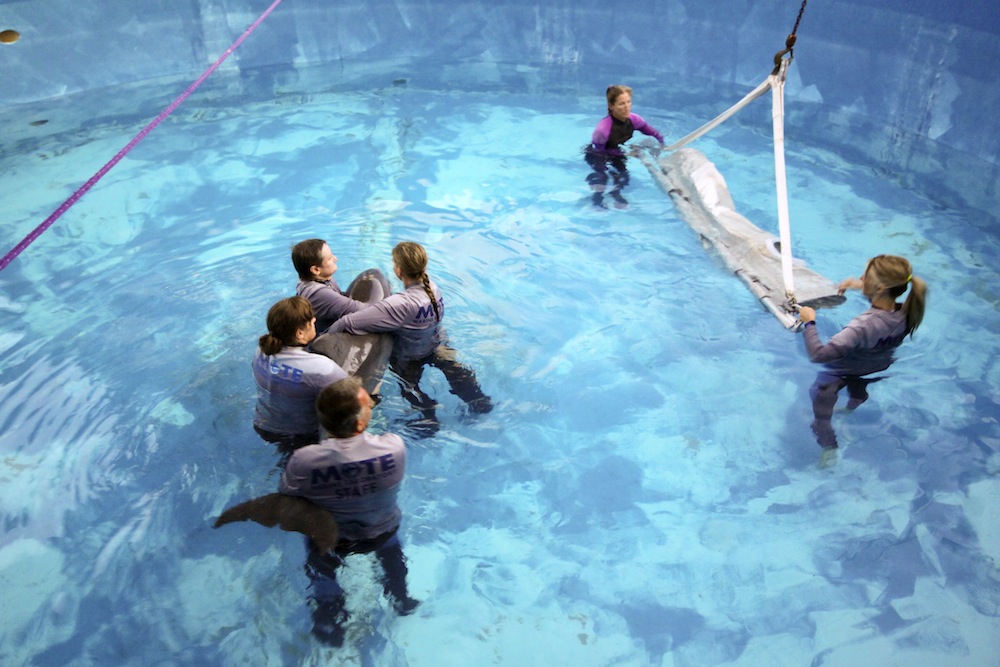
In October 2010 , the body of a young short - peck common dolphin was find strand on a beach in San Diego , Calif. The unwell female person had lesion in its airway , and a necropsy show that it died of so - called tracheal bronchitis , belike due to an infection .
Now , further investigation has revealed the dolphinfish ’s malaise was cause by avirusthat scientists had never see before , accord to a young field of study .

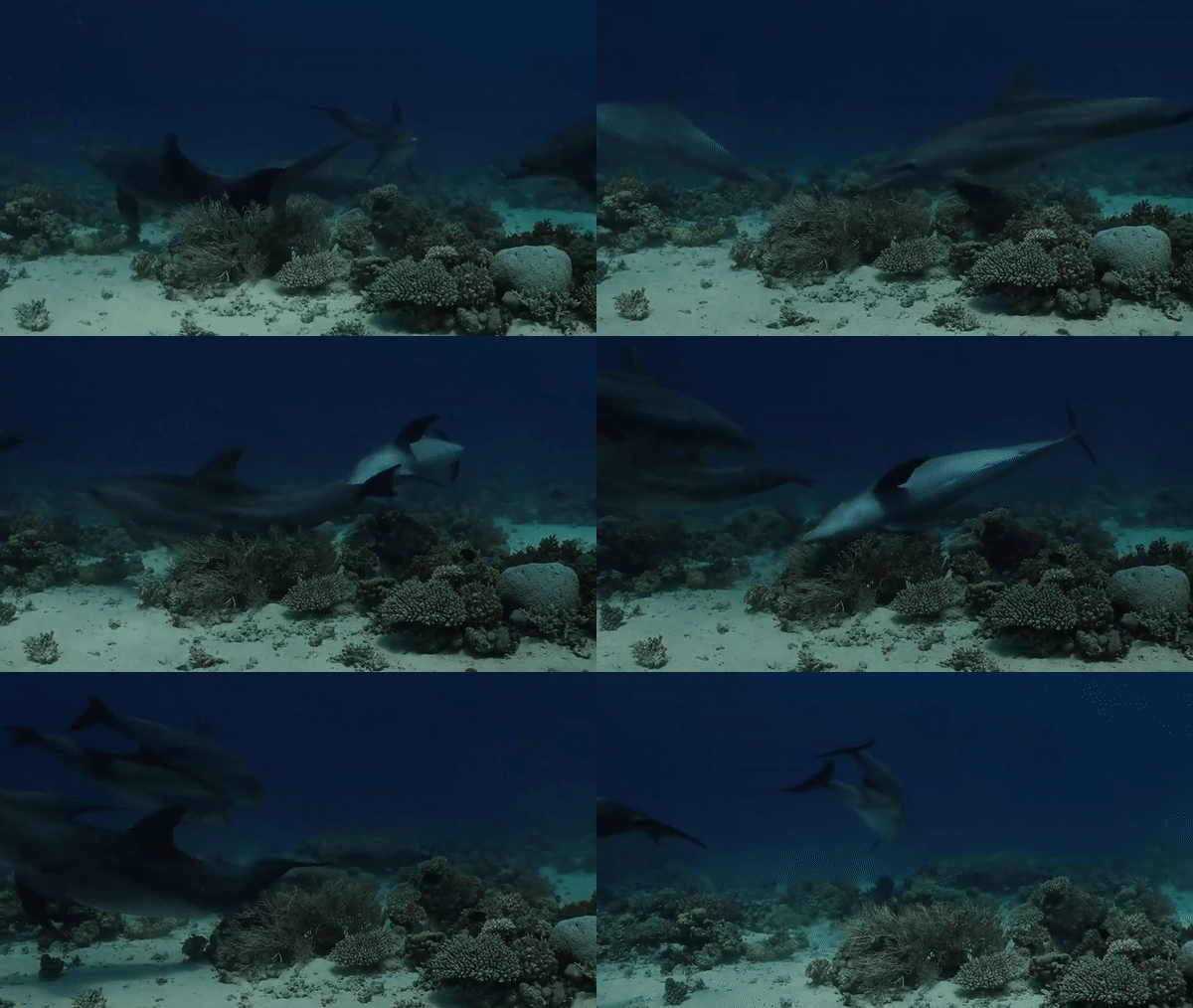
The short-beaked common dolphin (Delphinus delphis) is, well, pretty common. There are more short-beaked common dolphins than any other dolphin species in the warm-temperate portions of the Atlantic and Pacific Oceans. They are fast swimmers, enjoy aerial acrobatics and can sometimes be seen swimming closely alongside boats, a behavior known as “bow riding."
The pathogen , which research worker project should be named Dolphin polyomavirus 1 , or DPyV-1 , is still quite cryptical . Scientists say they do n’t know where it came from , how common it might be , or what menace it poses to wildlife . [ Deep Divers : arresting pic of Dolphins ]
" We do n’t even recognise if this is even a dolphinfish virus . It could also represent a spillover issue from another species , " Simon Anthony , a research worker who study wildlife pathogens at Columbia University , said in a argument . " It ’s no straightaway crusade for consternation , but it ’s an important data point in understanding this fellowship of virus and the diseases they cause . "
Genetic analysis showed that the polyomavirus found in the San Diegodolphinwas distinct from other love polyomaviruses ( a widespread family of pocket-size DNA viruses that can sometimes have infections and tumors in various animate being ) . The pathogen appeared to be most nearly related to to the California sea lion polyomavirus , the researcher report online on July 10 in the journalPLOS ONE .

" It ’s potential that many dolphin behave this computer virus or other polyomaviruses without substantial problems , " read Judy St. Leger , the director of pathology at SeaWorld in San Diego , who performed the initial animal autopsy ( or necropsy ) on the stranded mahimahi .
" Or perhaps it ’s like the common cold , where they get sick for a short while and recover , " St. Leger added in a statement .
The investigator say they do not know of any other cases resembling the isolated dolphinfish in San Diego , but they are seek for more examples of polyomavirus in the specie . The squad hope to determine the prevalence of DPyV-1 in short - beaked unwashed dolphins and detect out if it represents a important beginning of mahimahi unwellness and mortality .

sympathise how viruses acquire in maritime mammals is important for protecting endangered species , whose populations could nosedive if they are pip by a deadly outbreak . And maritime mammalian canpick up pathogensthat originated in other animals , even humans .
Canine distemper computer virus , for representative , has caused sickness in cachet and polar bear ( often debate marine mammals since they spend much of their meter at sea ) . A strain of bird flu was pick for a mass die - off of New England harbour seal in 2011 . Earlier this yr , researcher found that a group ofnorthern elephant sealsoff the coast of primal California was carrying the H1N1 virus strain , which caused a swine influenza eruption in humans in 2009 . The seal could have caught the species - jump pathogen from human feces dumped out of shipping vessels or seabirds , the scientist meditate at the clip .